Godspeed Premium Denim and Outerwear: What You Should Know
Most people first meet Godspeed through a graphic tee or a fleece two-piece, and then find that the heavy end of the catalogue follows a different set of rules. It is in denim and outerwear that the New York label spends its construction budget, and there the terminology on the product page matters. Terms like garment wash, wool body, vegan suede, 3M reflective and numbered run each describe a manufacturing choice that changes how a piece wears and ages. What follows moves through the categories in order, from jeans up to the jackets, and clarifies what each specification is actually doing. It also reports the 2026 market estimates observed wherever a figure could be confirmed, and says plainly where none could be. Take each dollar figure below as an observed 2026 range, not as an official price.
The Denim Tier
Denim is the most stable part of the god speed clothing catalogue, and the most predictable on price. Observed 2026 market estimates place the premium denim pieces at around $250, and that figure holds for the jeans and the jacket alike. That consistency means a denim-on-denim combination can be budgeted at roughly $500. The washes come from the same family applied across the fleece and shorts lines: Black Wash, Grey Wash and Blue Wash, these being named finishes rather than generic colour names. A garment wash is applied to the finished piece, which softens the hand immediately and yields the faded, slightly irregular surface the label favours. That process also means small variation between individual units is normal, expected, not a defect.
Jeans and Washes
Silhouette philosophy on the jeans matches the rest of the range, so anticipate relaxed rather than slim. The Infinity Denim godsclothing.com V2 and comparable named pieces have been observed at around the $250 mark, sitting well above mall denim and beneath most luxury labels. A wide-cut leg makes the jeans stack over a boot or slide instead of breaking at the ankle; the effect is intended, not a length error. Washed denim keeps changing after purchase, which means a Blue Wash pair will lighten at the knees and seat across a season of regular wear. Anyone who wants the finish to stay close to how it arrived should wash cold, inside out, and infrequently. Buying a size up also lowers the waist, and that changes how the hem falls.
On the Denim Jacket
Sold under the GS 4Ever name and observed at around $250, the denim jacket is the piece that ties the denim collection together. Because it shares the wash family with the jeans, a matched two-piece is simple to put together in a single order. The body follows the same boxy logic as the fleece, so the jacket sits flat across the shoulders and leaves room for a layer underneath. That matters in practice, because a heavyweight godspeed hoodie worn under a slim denim jacket gives an uncomfortable, bunched result. Embroidery and appliqué carry the graphics rather than print, as washed cotton holds stitching better than ink. Treat the jacket as a shoulder season piece; it is not genuine cold-weather protection.
Varsity Jackets and the 200-Unit Runs
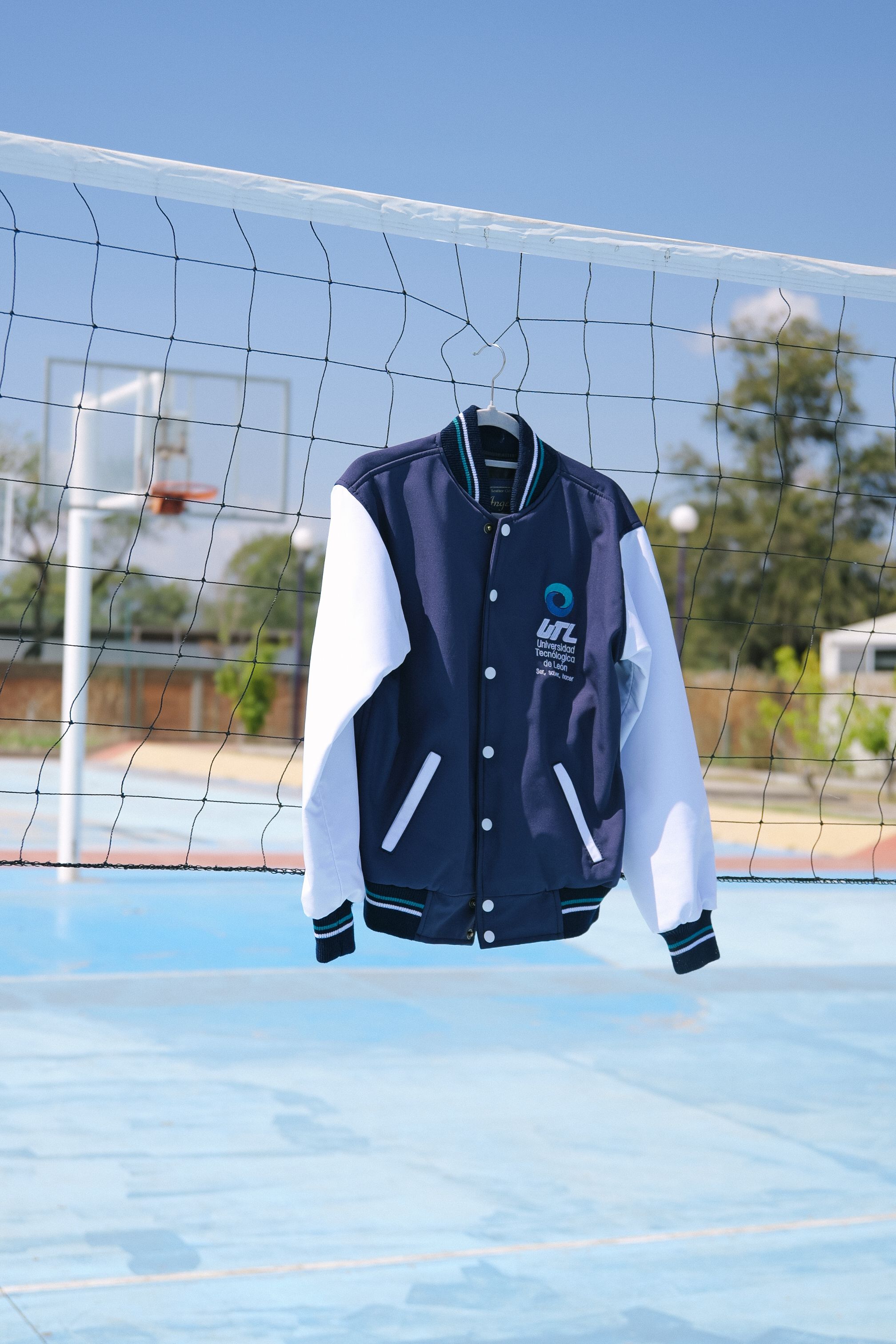
Varsity is the category where the label makes its strongest statement about scarcity. Two pieces are singled out, the F.T.D and Chrome Seduction jackets, described as production runs of 200 units each with numbered authenticity tags attached to the garment. The traditional template is intact, a wool body with contrast sleeves, except that the sleeves come in vegan leather or vegan suede instead of animal hide. That substitution shifts the character: vegan suede reads softer and matte, while vegan leather holds a sharper sheen. Satin detailing and appliquéd lettering finish the build, and that is why these carry more visible labour than anything else in the range. No retail figure for the varsity pieces could be verified, as their product pages had already sold through when checked.
The Moto and the Puffer
Next to varsity, the catalogue lists a leather moto jacket and a puffer jacket, both behaving as limited seasonal entries rather than permanent fixtures. The moto is the more classical of the two, borrowing a silhouette that predates streetwear, and it leans least on graphics. The puffer is its practical opposite, built for insulation and typically the warmest thing the brand offers in a given season. No confirmed retail figure was available for either, their pages having sold out by the point of research. One detail is worth stating precisely: a marketplace listing seen at $595 for a varsity piece is a seller’s asking price. What a seller hopes to receive is not what the brand charged, and an asking price is only the former.
Cargo Trousers and Technical Detailing
Cargo pants merit a place here because the flagship pair stands at the top of the bottoms price ladder. In 2026 market estimates the Wax Flare Premium cargo has been observed at around $350, above the denim and above most of the sets. What justifies it is 3M reflective detailing, subdued under normal light and bright when a direct beam hits it. The detail derives from technical and workwear traditions, and is applied selectively rather than across the garment. The cut follows the same relaxed logic as the jeans, with volume through the thigh and a flared or stacked finish at the hem. Anyone comparing this with the $140 Militia cargo shorts is paying for construction and finish rather than extra fabric.
Pulling the Numbers Together
Putting the observed figures side by side makes the internal logic of the range easier to see. Denim holds a flat $250 tier for both the jeans and the jacket, cargo pants sit above it at roughly $350, and the jackets that could be checked had already sold out. For comparison, the softer categories land well below, t-shirts between $128 and $200, hoodies roughly $200 to $270 and sets from $155 to $360. Nothing signals where the construction spend goes more clearly than that gap. Only the heavy end features in the table below, and every figure there is an observed 2026 market estimate, not an official price. Where no reliable figure existed, the entry says as much instead of guessing.
| Type | Example piece | Key construction | 2026 observed USD |
|---|---|---|---|
| Jeans | Infinity Denim V2 | Premium denim, garment washed, relaxed leg | About $250 |
| Jacket, denim | GS 4Ever | Matching wash family, boxy body, embroidery | About $250 |
| Varsity jacket | F.T.D, Chrome Seduction | Wool body, sleeves in vegan leather or vegan suede, numbered run of 200 | Not confirmed, pages already sold out |
| Cargo pants | Wax Flare Premium | 3M reflective detail, relaxed flared leg | About $350 |
| Moto and puffer | Seasonal pieces | Leather shell and insulated shell | Unconfirmed; pages sold out |
How It Fits, Layers and Wears
Every fit decision underneath gets magnified by a heavy piece, so map out the layering instead of improvising it. Because the house silhouette is boxy and oversized-relaxed, outerwear already holds room and rarely needs sizing up for layers. One size up on an already generous cut makes a jacket read as borrowed instead of intentional. Fabric weight decides the rest, because a wool varsity body and a garment-washed denim jacket behave nothing alike across a winter. Denim and wool both respond badly to aggressive laundering, and embroidery and appliqué dislike high heat. What follows applies to both categories and will lengthen the life of anything in them.
- Cold wash, inside out, and only when the denim genuinely needs it.
- Never put a wool varsity body in the machine; spot clean and air it instead.
- Keep anything with 3M reflective detailing out of the tumble dryer, since heat degrades the finish.
- Hang heavy jackets on a broad hanger so the shoulders retain their line.
- Hold on to the numbered authenticity tag from a limited varsity piece; it counts later.
Buying the Heavy Pieces Without Regret
The heavy categories are the ones where mistakes are most expensive, so a short checklist is worth following. Availability is the first constraint, because production is small and outerwear sells out before the softer categories. Second is price, as resale asking figures travel widely and are routinely mistaken for retail. Authenticity is the third, and it matters most on numbered pieces where the tag is part of the product. The last consideration is coherence: a $350 cargo works when it shares a silhouette language with the godspeed shirts and fleece already in the wardrobe. Follow the sequence below and you will avoid nearly every common error.
- Establish the category first: denim, varsity and moto each follow different rules.
- Check the fabric line for wool, vegan suede, vegan leather or 3M before you compare prices.
- Set your budget against the observed 2026 ranges rather than a resale asking price.
- Look at the run size, and at whether a numbered tag should be present.
- Plan the layer underneath before choosing your size, especially with a godspeed shirt or hoodie in the mix.
Leave a Reply